How To Use AI Prompts To Generate Image Ads For Social Media
AI is at a point where it can generate spectacular creative, but it requires effort. A social ad needs a buyer, a problem, an offer, a reason to believe, and a visual style that matches the feeling you need.

If you type “make me a beautiful Instagram ad for my business,” you will probably get something shiny, vague, and useless. The image might look expensive. It still will not sell.
Good AI image ad prompts start with the commercial job. Who is this for? What pain should they recognize? What product or service fixes it? What should they feel in the first five seconds? Only after that do you choose the art style.
This is how Feral thinks about image ads internally. We build the sales idea first, then the visual scene, then the style, then the final ad layout. You can use the same logic in ChatGPT, Gemini, or any image model without touching code.
The Feral-Style Prompt Formula
Use this order. It keeps the model from wandering into generic AI art before the ad has a reason to exist.
Name the situation the buyer recognizes instantly. Not a broad demographic. A real moment.
Say what you are selling. A real ad has an offer, even when the visual is playful.
Show why the offer works. The product, service, ingredient, process, result, or ritual should matter inside the image.
Describe a single still image: subject, action, setting, props, camera distance, and mood.
Choose the art direction that matches the trust job. A massage clinic and a loud SaaS brand should not look the same.
Reserve clean space for the headline or CTA. Most image models are bad at exact text, so add copy later when you can.
Tell the model what to avoid: fake logos, unreadable text, busy backgrounds, generic AI gloss, and misleading claims.
Copy-Paste Prompt Template
Paste this into ChatGPT, Gemini, or your image tool. Replace the brackets. Keep the prompt plain. You are not trying to impress the model; you are giving it a job.
Create the hero visual for a social media image ad.

Business: [what the business sells]
Audience: [who this is for]
Buyer pain: [specific moment they recognize]
Offer: [product, service, plan, or promotion]
Mechanism: [why the offer works]
Desired emotion: [relief, urgency, trust, desire, curiosity]
Scene: [one still image: subject, action, setting, props]
Art style: [choose one style from the guide below]
Composition: [where the subject sits and where copy will go]
Brand look: [colors, mood, materials, lighting]

Do not include readable text, fake logos, fake UI copy, price tags,
claims that were not provided, or a busy background.
Leave clean negative space for headline and CTA.
The Mistake: Asking For Style Before Strategy
Weak Prompt
“Make a cool neon ad for my SaaS product.”
This gives the model a costume, not a reason. It might make neon shapes, but the buyer will not know why they should care.
Strong Prompt
“Create a high-contrast flat vector ad for burned-out small business owners who hate staring at a blank social media calendar. Show a messy website turning into clean social post cards. Use neon yellow-green on black, bold outlines, and blank UI shapes. Leave space for headline and CTA.”
This gives the model a buyer, a pain, a mechanism, a scene, a style, and production constraints.
Two Examples: Same Formula, Totally Different Style
These are the kinds of hero-visual prompts Pablo, Feral's ad-generator agent, sends to Nano Banana 2. Pablo is not asking for “a nice ad.” He is handing the image model a commercial brief: offer, buyer cue, product mechanism, safe zones, brand colors, and rendering rules. We are not showing every internal decision that got Pablo here, but this is the level of specificity that keeps image ads from turning into generic AI soup.
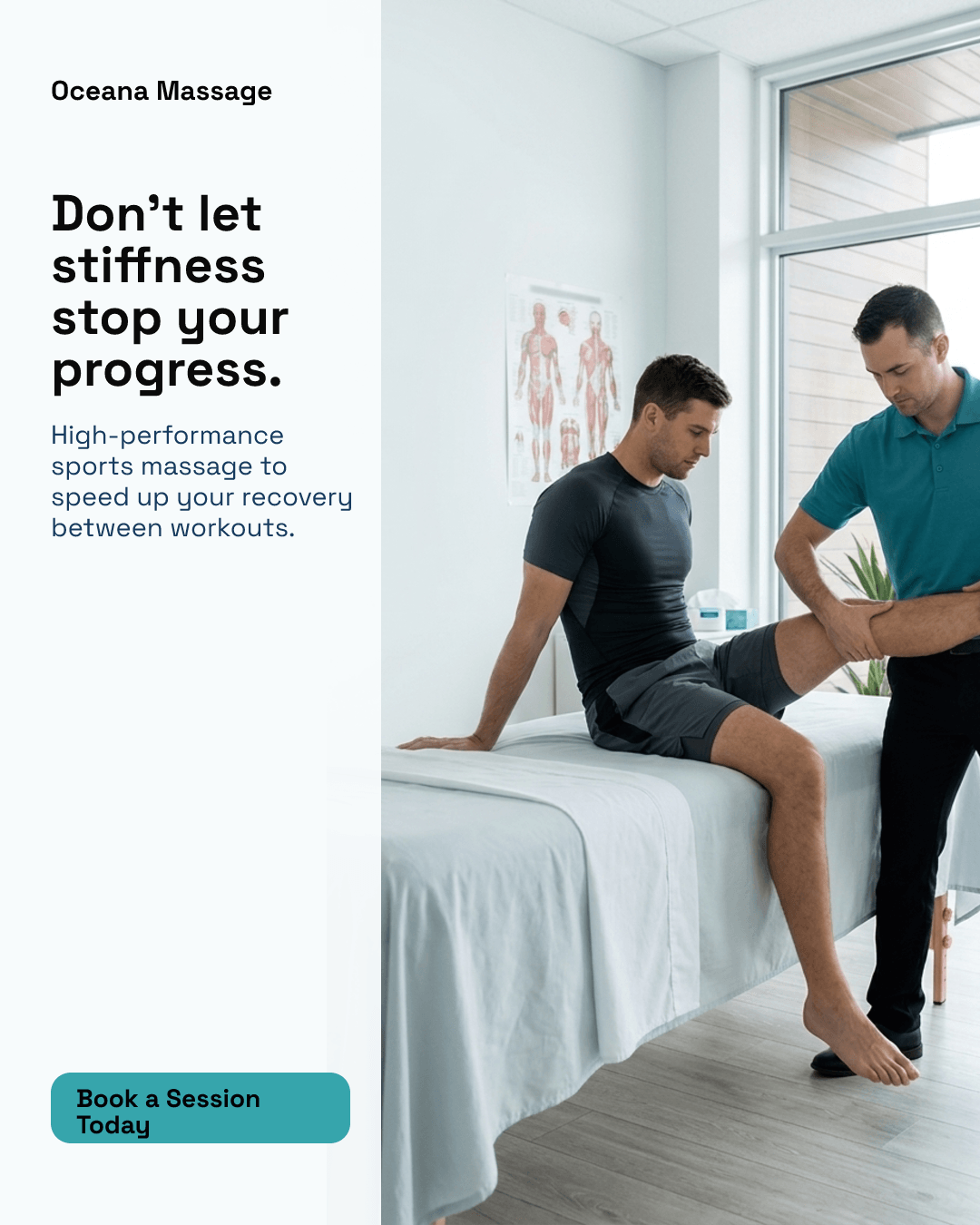
Example 1: A Realistic Sports Massage Clinic
A clinical massage brand should not look like a rave poster. The ad needs trust, relief, and professional competence. The best style is product-scene realism: real hands, real table, clean room, natural light, visible technique.
Render the following caption as one hero visual.
Do not create the finished ad layout.

# Hero Caption
Create the hero visual for a paid social image ad promoting Sports Massage.

Audience cue: weekend warriors and marathon runners.
Commercial takeaway: high-performance sports massage helps athletes recover between workouts.
Product mechanism: deep tissue manipulation and technical stretching to improve flexibility and flush lactic acid.

Scene:
A wide, realistic shot inside a minimalist high-end clinic.
An athlete in professional compression gear sits on a treatment table.
A therapist performs a technical PNF leg stretch with a precise professional stance and grip.
The setting should feel clinical, calm, and performance-focused, not like a gym or spa.

Brand look:
Real people, real clinic objects, natural light, ocean-inspired colors, clean professional polish.
Use brand colors: #36a5ac, #173b5f, #d7e2e6.

Composition:
Use a side-panel layout.
Keep the left 39 percent visually quiet for deterministic ad copy.
Make the therapist's technical grip and the treatment table the visible mechanism.
Use one clear subject hierarchy and clean negative space.

# Rendering Rules
The backend will add exact headline, CTA, and brand framing later.
Do not render readable text, logos, slogans, document titles, numbers, URLs, or CTA buttons.
If documents, badges, forms, or signs appear, use blank surfaces or abstract marks only.
Do not invent awards, medical claims, exact metrics, or fake UI.

# Do Not Include
Gym setting, spa candles, readable text, fake logos, generic AI gloss, bland lifestyle filler, celebrity likeness.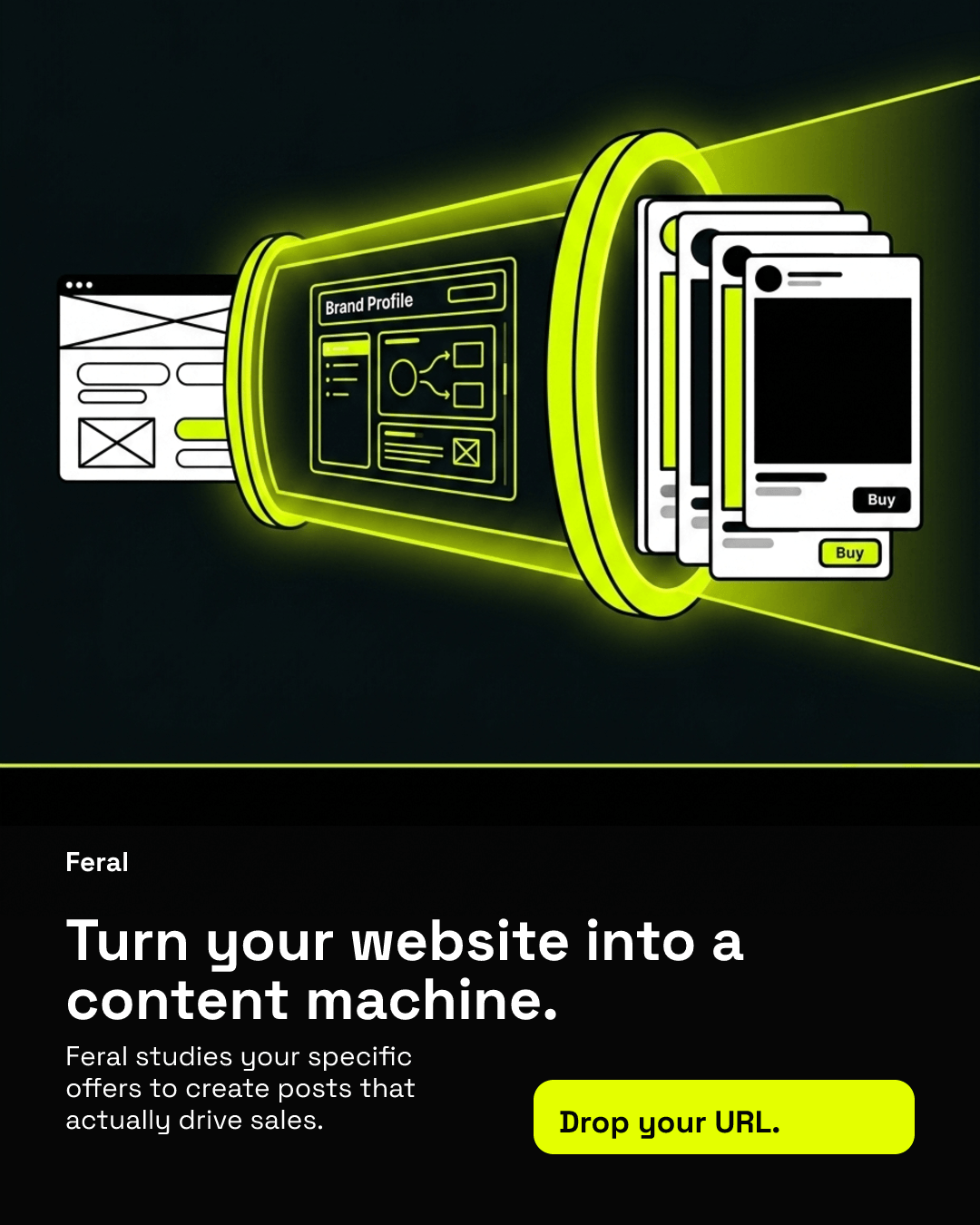
Example 2: A Modern, Bold SaaS Brand
A bold AI content tool can use a graphic metaphor because the product is abstract. The style can be high-contrast flat vector, but the mechanism still has to be visible: website in, useful social content out.
Render the following caption as one hero visual.
Do not create the finished ad layout.

# Hero Caption
Create the hero visual for a paid social image ad promoting Feral Offer-Led Generation.

Audience cue: businesses whose social media does not actually sell anything.
Commercial takeaway: Feral studies the business and turns specific offers into useful social posts and image ads.
Product mechanism: offer-to-post mapping through a Brand Profile.

Scene:
A dark digital workspace with a neon yellow-green pipeline.
On the left, a simplified website or product input enters the pipeline.
On the right, polished ad frames and post cards emerge.
The transformation should feel clean, intentional, and commercially useful.

Brand look:
High-contrast flat vector illustration, black background, neon yellow-green energy, bold outlines, vector-friendly graffiti edge.
Use brand colors: #e4ff00, #ffffff, #0a0a0a.

Composition:
Use a bottom-CTA layout.
Keep the bottom 32 percent visually quiet for deterministic ad copy.
Make the Brand Profile or content feed the visible mechanism.
Use one clear left-to-right flow from input to output.

# Rendering Rules
The backend will add exact headline, CTA, and brand framing later.
Do not render readable text, logos, slogans, numbers, URLs, or CTA buttons.
If UI panels, cards, inputs, labels, or badges appear, use blank shapes and abstract marks only.
Do not invent exact dashboards, metrics, or claims.

# Do Not Include
Plumbing pipes, robot heads, matrix code, readable text, fake UI copy, generic AI art, bland lifestyle advertising, celebrity likeness.Choose The Style Based On The Job The Ad Has To Do
Style is not decoration. It tells the buyer how to feel before they read anything. Pick the style that makes the offer easier to trust, want, understand, or remember.
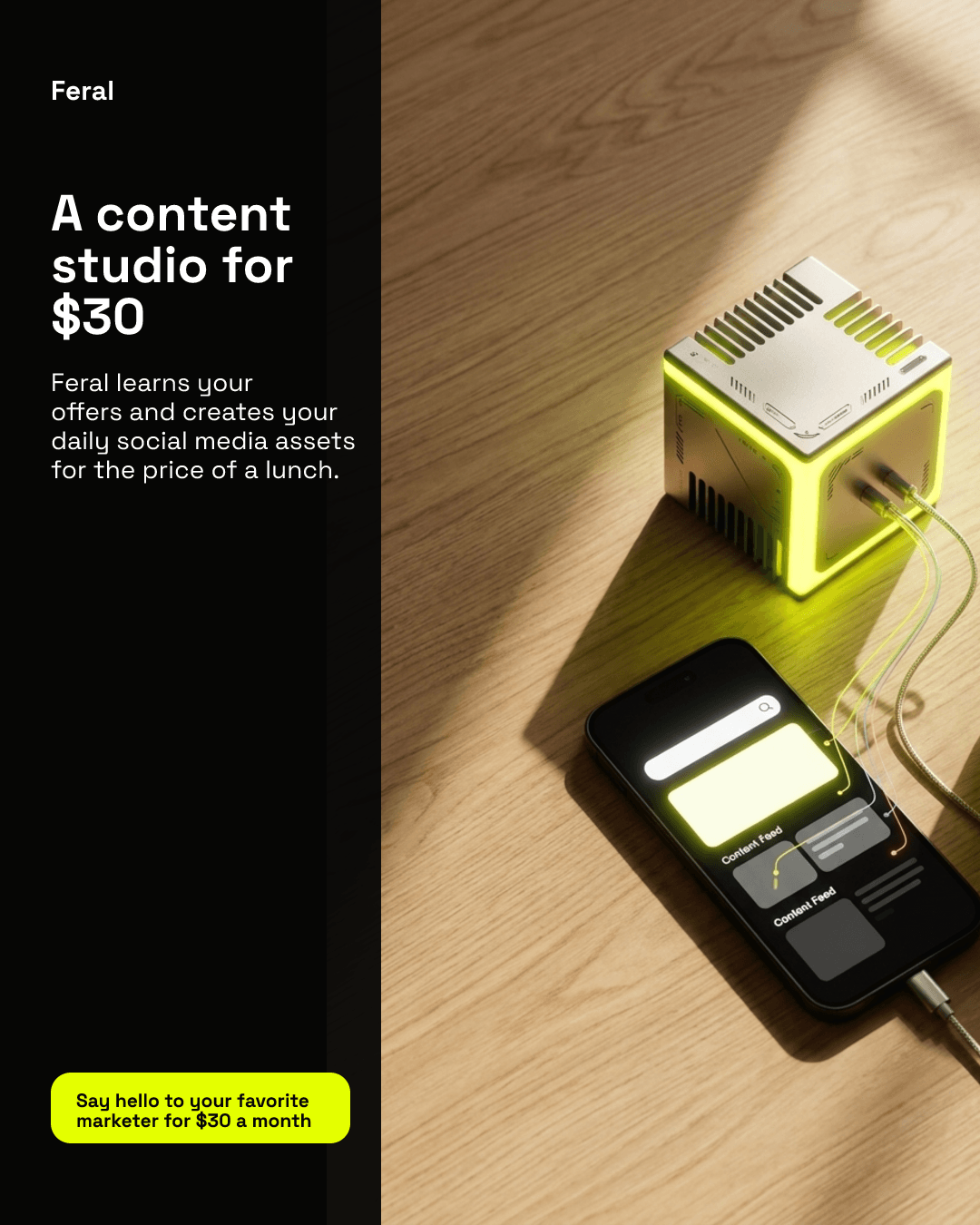
01
Product-Scene Realism
Best for: Clinics, local services, home services, wellness, fitness, hospitality, real estate, and any business where trust matters.
Emotional job: Relief, confidence, safety, professional competence.
Image style must be product-scene realism: a realistic photo with real people, natural light, a clean environment, visible service interaction, and one clear focal point. The product or service must visibly matter in the scene. 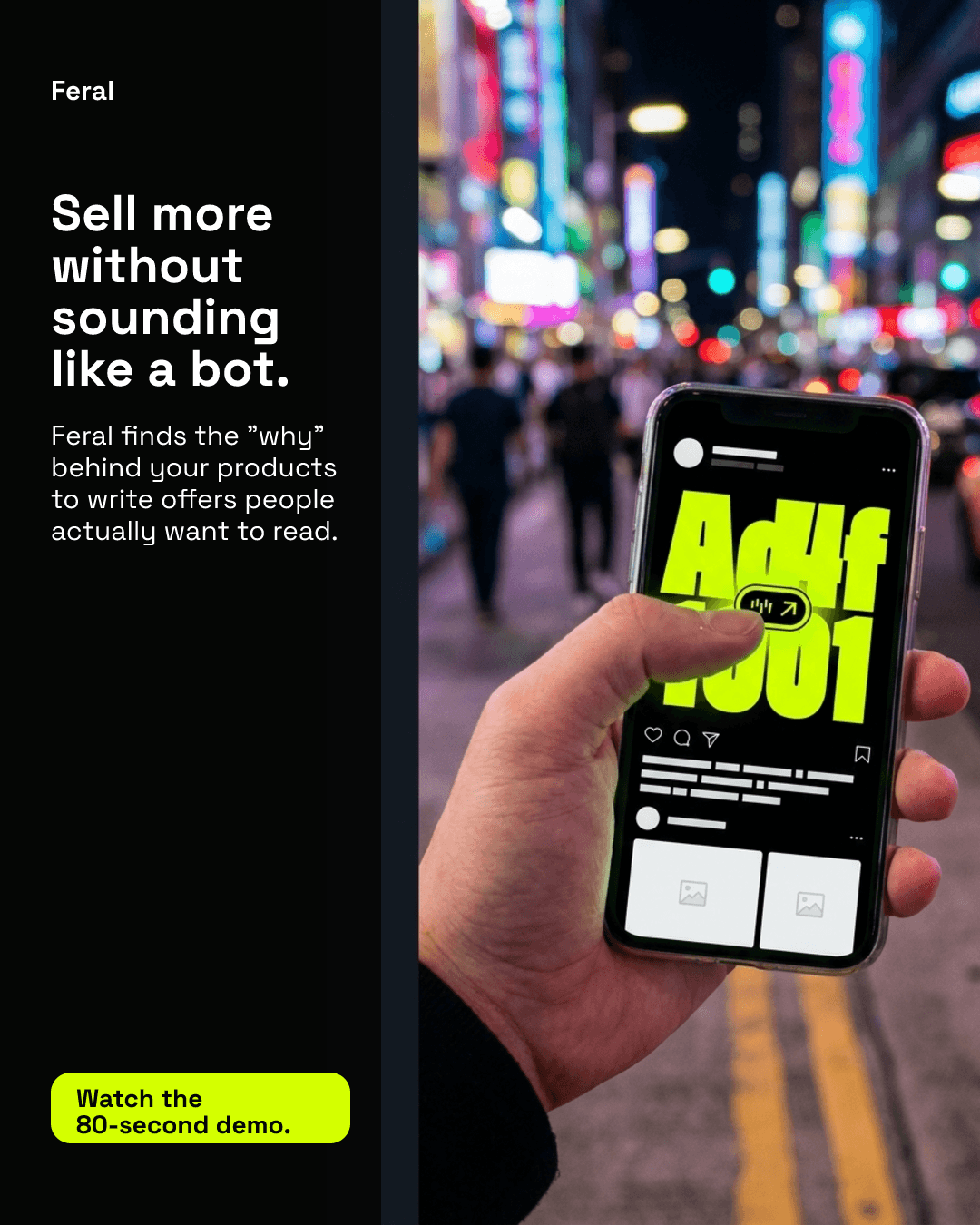
02
UGC Mobile Realism
Best for: DTC products, local restaurants, beauty, fitness, apps with creator-led ads, and brands that need social proof fast.
Emotional job: Familiarity, immediacy, honesty, peer recommendation.
Image style must be UGC mobile realism: phone-shot framing, casual composition, imperfect natural lighting, real hands using the product, and native social feed energy. Keep it candid, not over-polished. 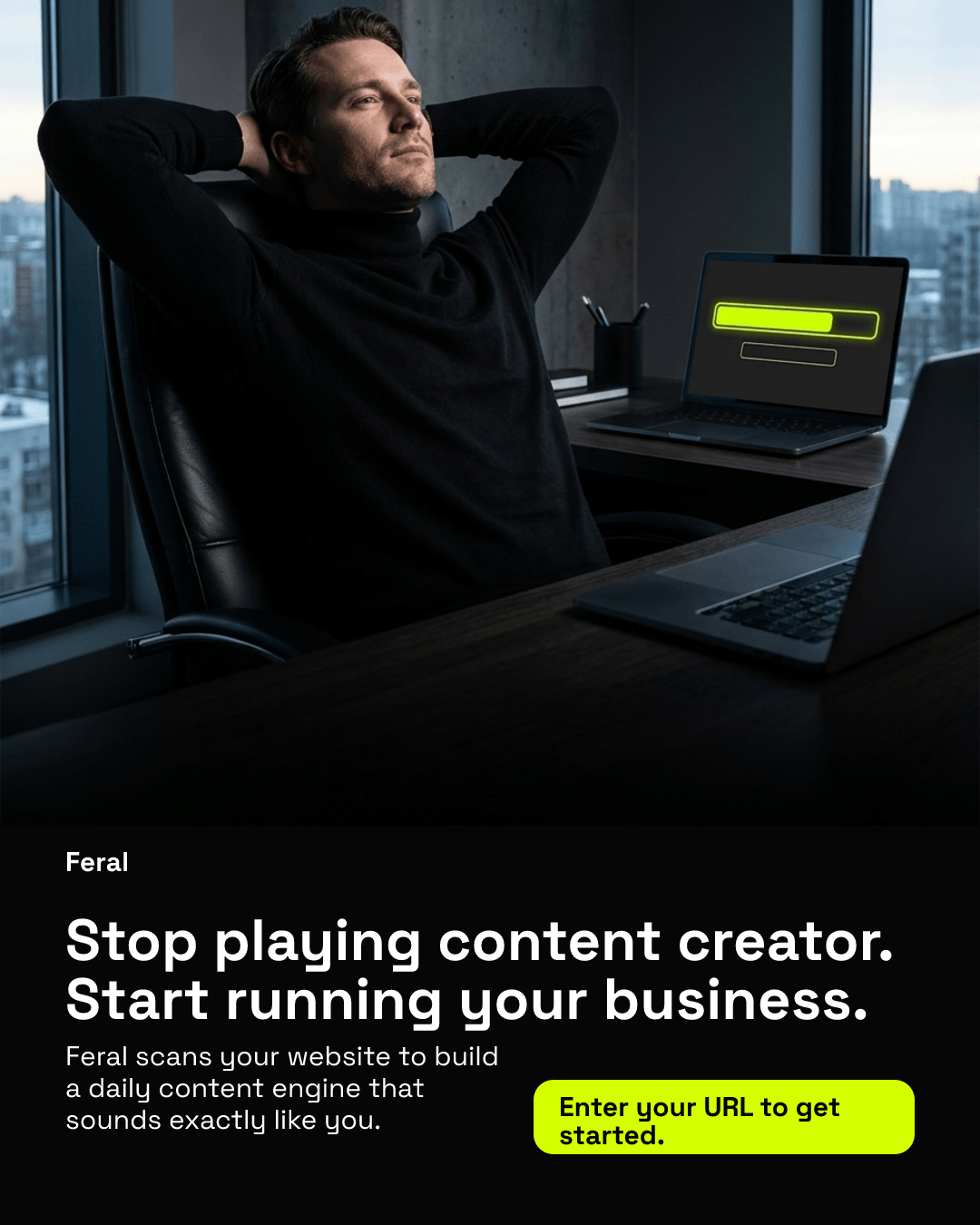
03
Editorial Lifestyle
Best for: Fashion, travel, boutique hotels, home goods, premium services, food brands, and products sold through aspiration.
Emotional job: Desire, taste, identity, calm status.
Image style must be editorial lifestyle photography: a composed lifestyle scene with natural texture, a real human moment, restrained palette, and magazine-quality lighting. Make the product feel desired without turning the scene into generic luxury. 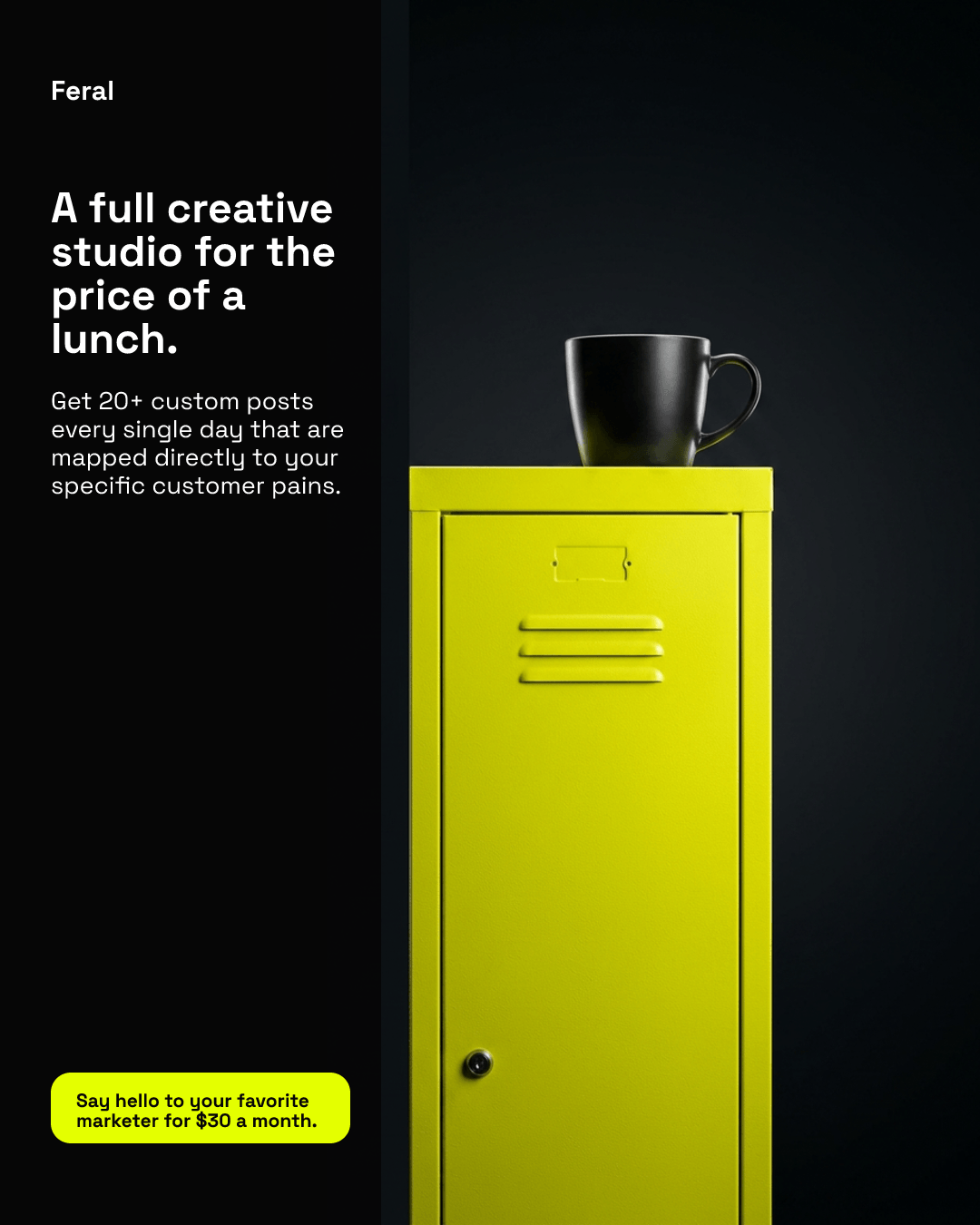
04
Studio Product Tableau
Best for: Packaged goods, skincare, beverages, supplements, candles, tools, ecommerce, and launch announcements.
Emotional job: Premium clarity, appetite, quality, product confidence.
Image style must be studio product tableau: controlled shadows, tactile props, clean background, precise composition, and the product as the obvious hero. Keep props minimal and do not obscure packaging. 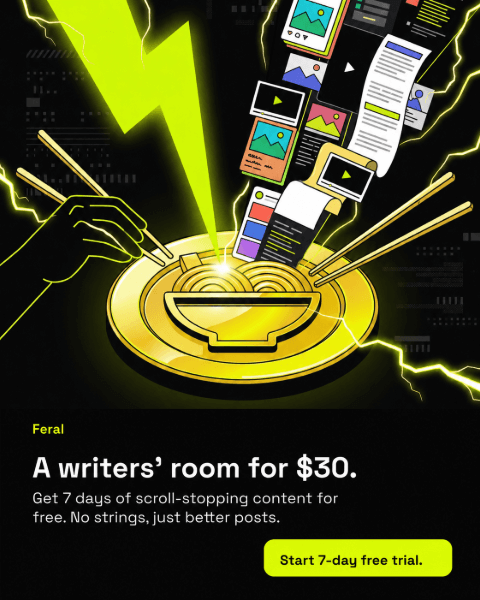
05
Bold Graphic Poster / Flat Vector
Best for: SaaS, events, creator tools, education, newsletters, podcasts, and brands that need speed, contrast, and memorability.
Emotional job: Energy, clarity, momentum, confidence.
Image style must be bold graphic poster / flat vector: bold outlines, high contrast, simple shapes, strong negative space, and one visual metaphor that explains the offer clearly. 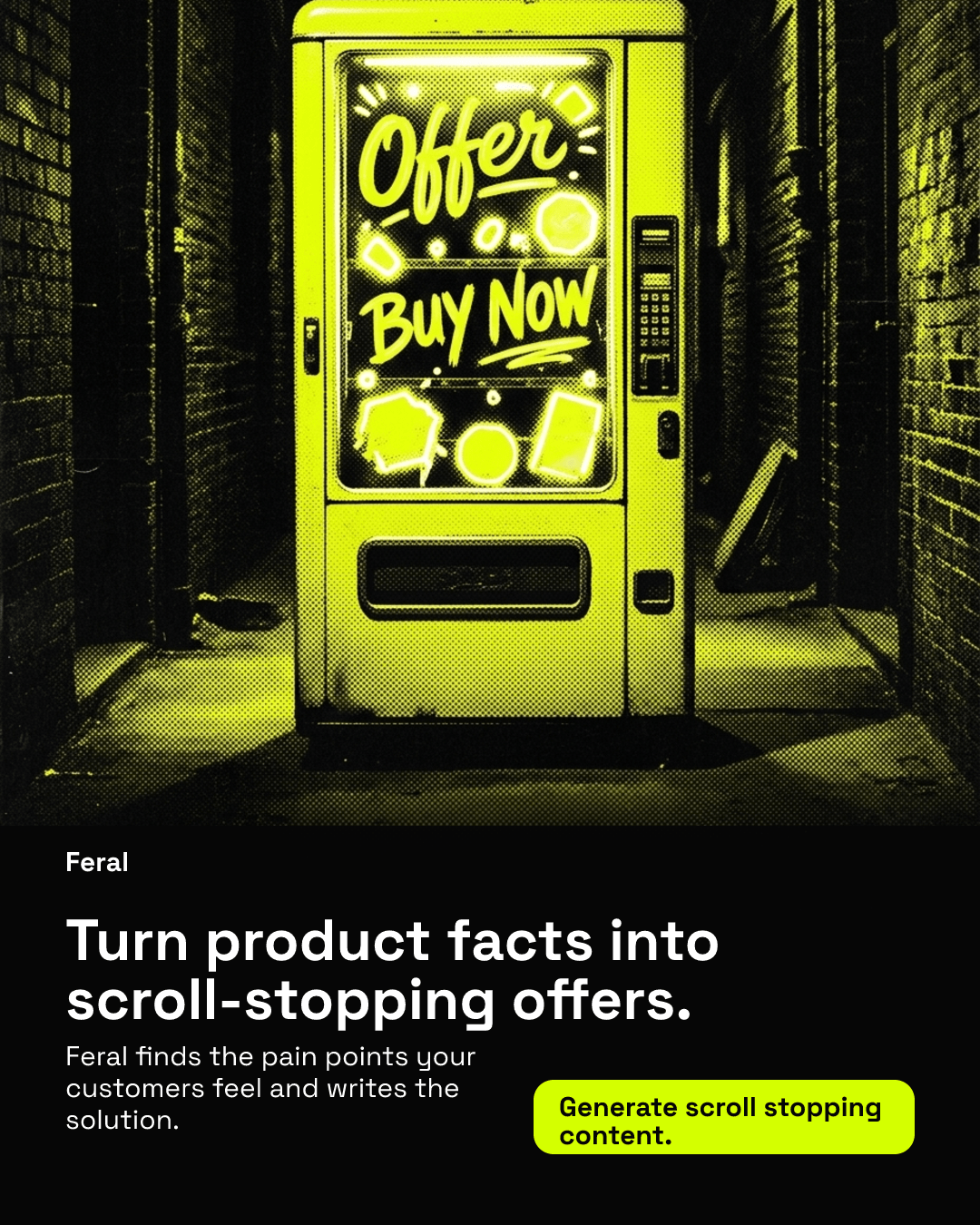
06
Retro Print Ad
Best for: Food, beverage, apparel, music, local shops, nostalgic products, and challenger brands with a playful voice.
Emotional job: Charm, familiarity, humor, cultural memory.
Image style must be retro print ad: vintage magazine composition, limited color palette, halftone texture, charming period details, and the current product shown clearly. 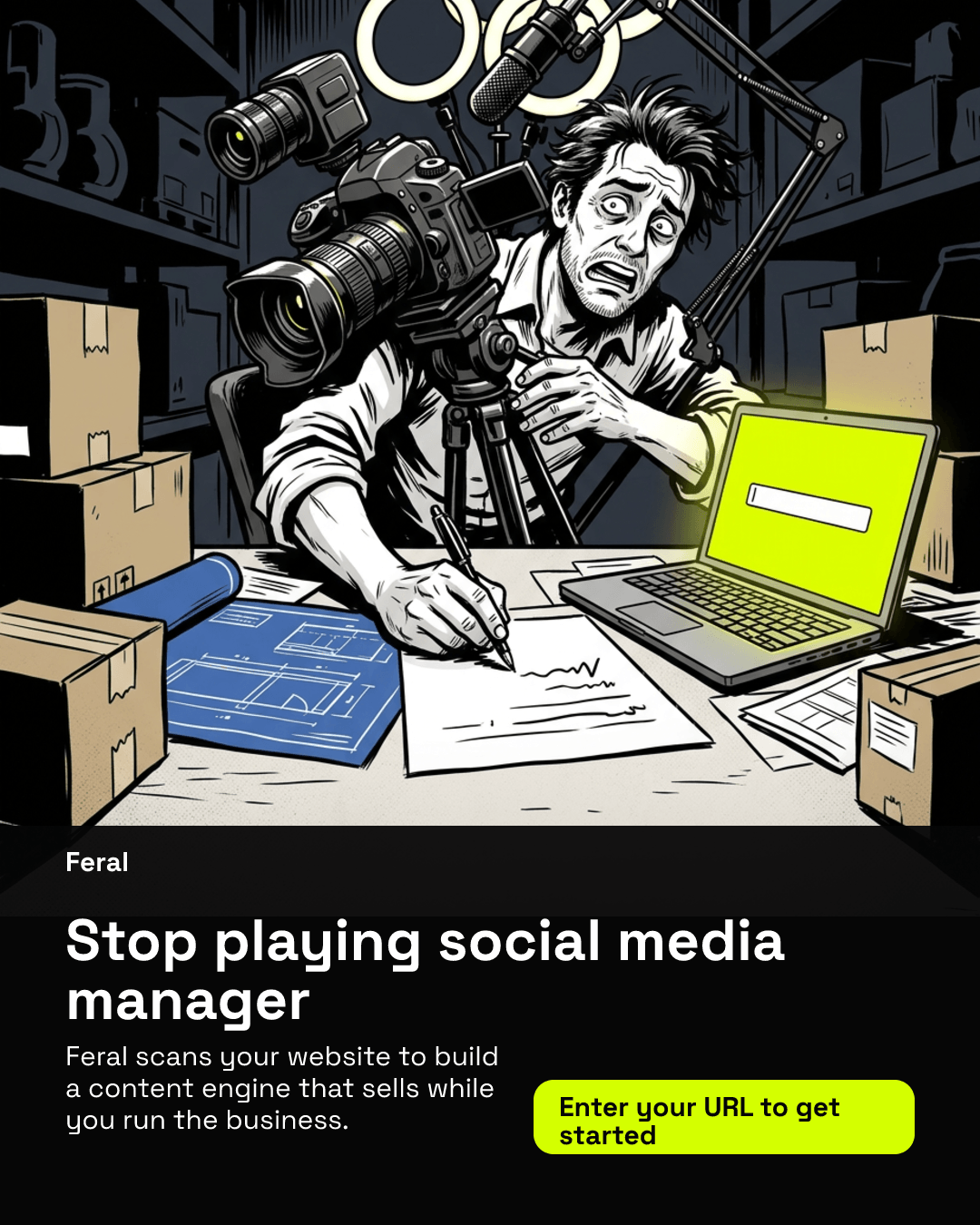
07
Comic Panel
Best for: Humor-led brands, education, problem-aware ads, creator tools, and products that solve an awkward daily frustration.
Emotional job: Recognition, amusement, tension, release.
Image style must be a single comic panel: expressive body language, clear scene staging, bold ink lines, and one awkward moment the buyer recognizes. Do not use speech bubbles or tiny dialogue text. 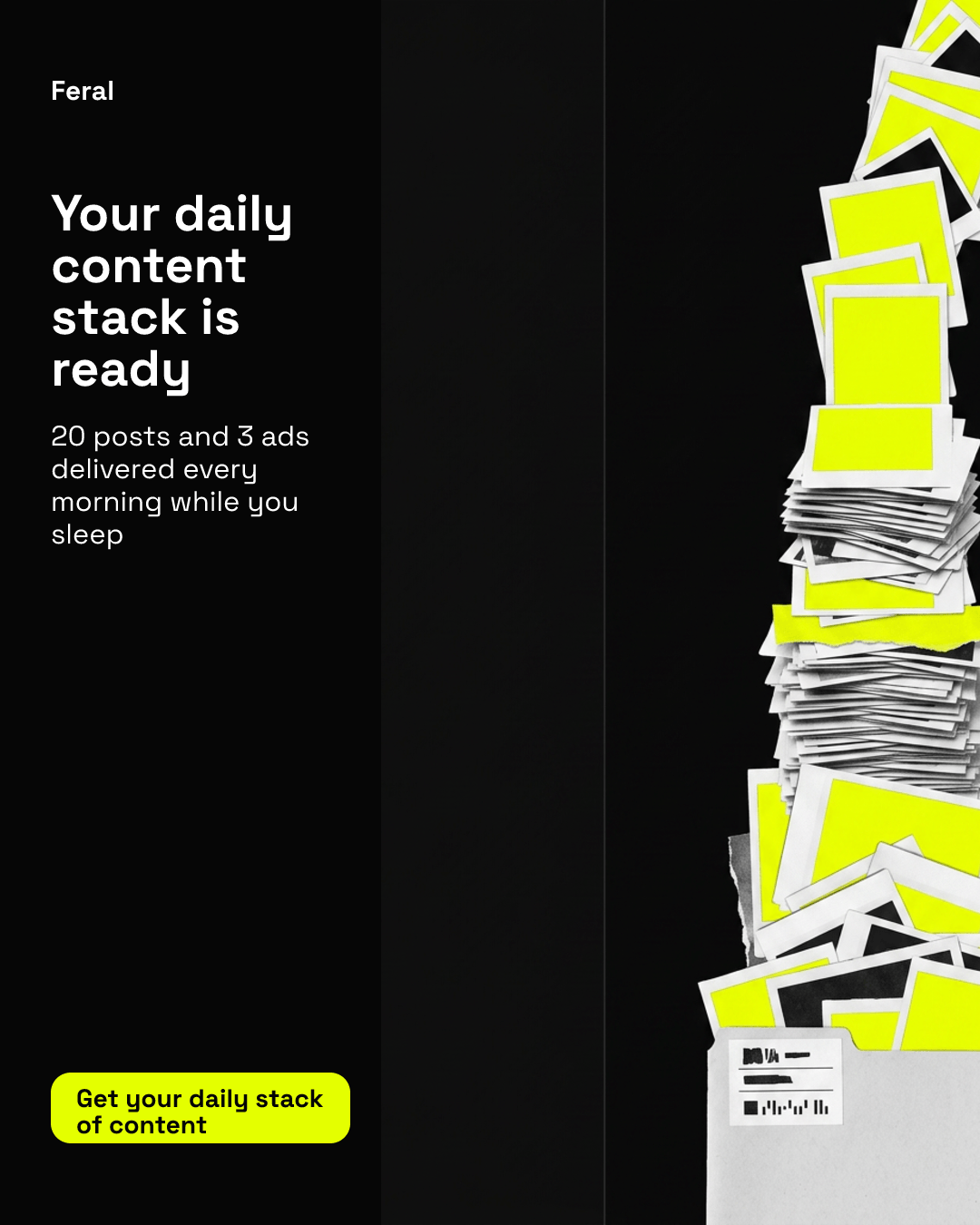
08
Cutout Collage
Best for: Editorial brands, culture products, nonprofits, campaigns, workshops, and ads built around contrast or social commentary.
Emotional job: Curiosity, tension, wit, taste.
Image style must be cutout collage: layered photography, paper textures, torn edges, mixed scale, one bold focal object, and a handmade editorial feel. The collage should make one clear argument. 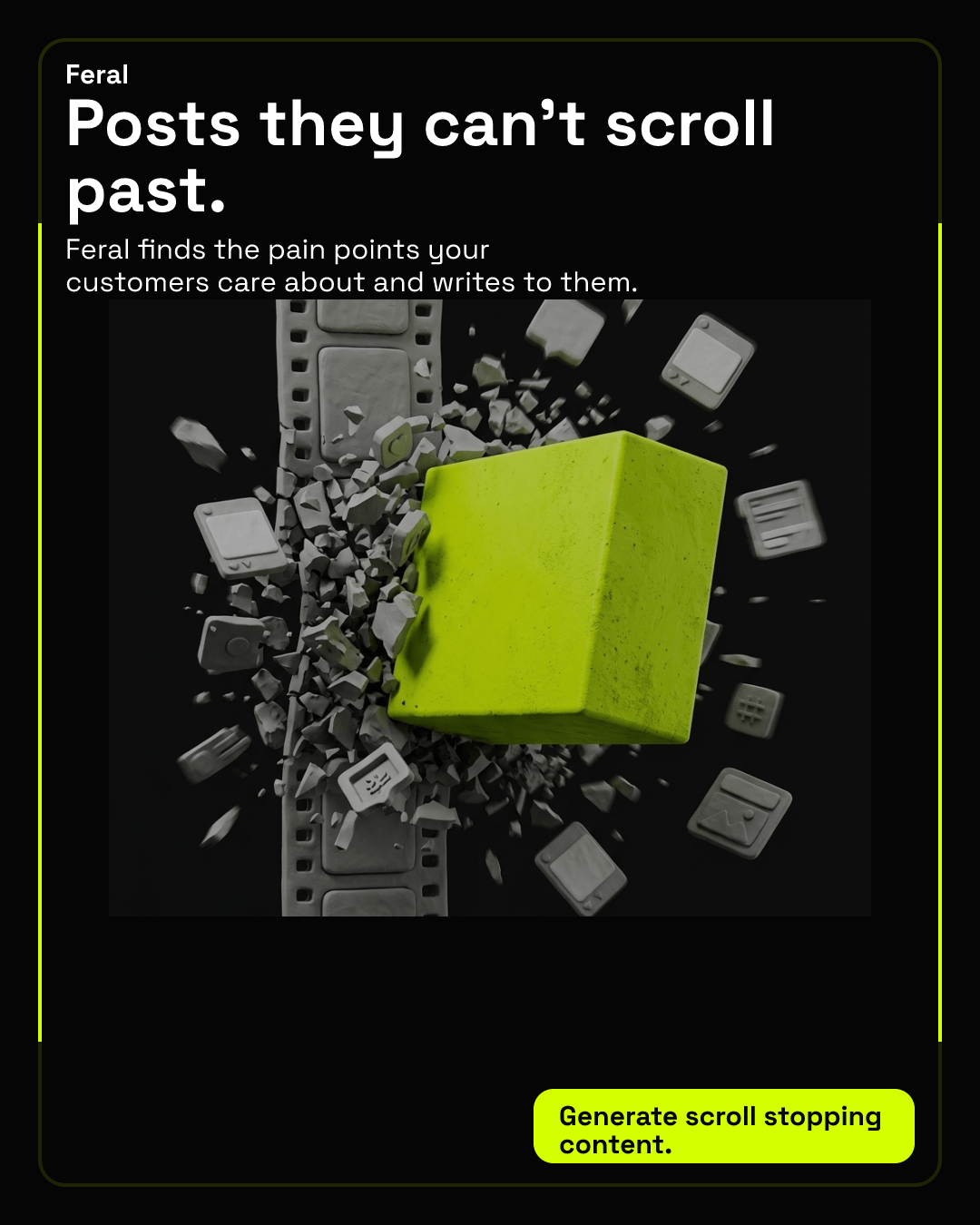
09
Tactile 3D Diorama
Best for: Apps, dashboards, workflow tools, fintech, education, logistics, and services that need to make an invisible process visible.
Emotional job: Control, simplicity, play, understanding.
Image style must be tactile 3D diorama: miniature physical world, clay or paper-like materials, clear process path, and the product mechanism shown as something the viewer can understand at a glance. 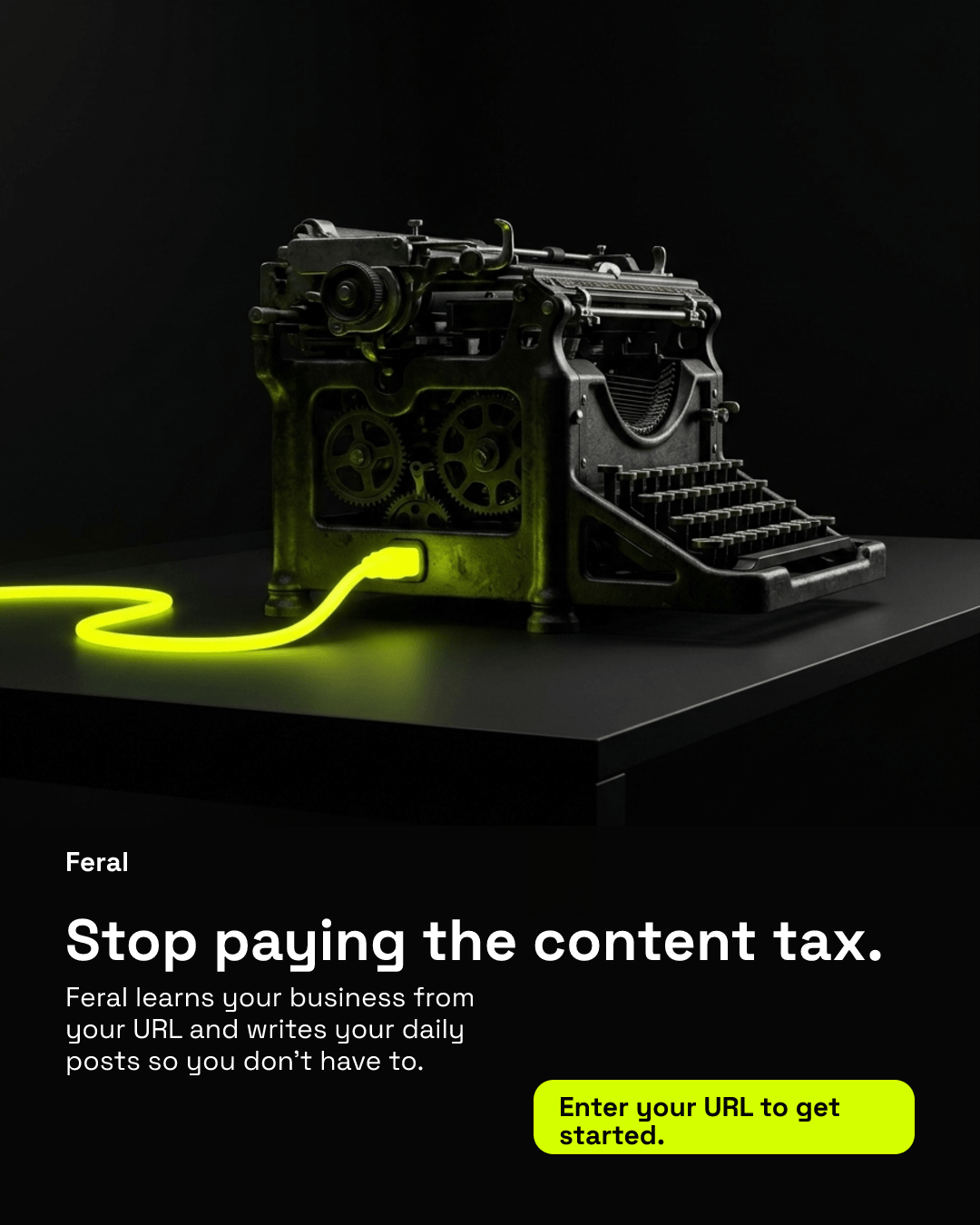
10
Minimal Surreal Metaphor
Best for: Premium SaaS, finance, mental health, consulting, security, and brands selling clarity around an abstract problem.
Emotional job: Intrigue, calm, focus, intellectual satisfaction.
Image style must be minimal surreal metaphor: one impossible-but-clear object, quiet background, strong shadow, precise negative space, and a metaphor that connects directly to the business problem. The Fast Quality Check Before You Publish
- Can a cold viewer tell what is being sold? If not, the visual is too abstract.
- Does the product or service visibly matter? If you can remove it and the image still works, the ad is weak.
- Does the art style match the trust job? Realism often builds trust. Graphic style often builds memory. Use the right tool.
- Is the image trying to render exact words? Add the headline and CTA yourself when possible. It will look cleaner.
- Is there one focal point? A busy image makes the viewer work. Social feeds punish that.
How Feral Helps
The hard part is not typing a longer prompt. The hard part is knowing the buyer, the offer, the proof, the visual style, and the emotional job before the prompt exists.
Feral studies your website, builds a detailed brand profile, and uses that context to create social posts and image ads that strongly resonate with your target audience.